
Protecting the Property, Income & Liability Behind Your Real Estate Investment
Specialized insurance strategies for California landlords and residential real estate investors.
From single-family rentals and duplexes to apartment buildings and multifamily portfolios, Helm6 helps property owners protect the property, rental income, liability exposures, and long-term insurability behind their investments.
Whether you own a single-family rental, duplex, triplex, fourplex, apartment building, or multifamily portfolio, your insurance program should protect more than the building—it should protect the income, liability, and long-term value of your investment.
THE CHALLENGE
California landlords face a changing insurance environment involving rising reconstruction costs, tighter underwriting standards, aging building systems, water-loss concerns, habitability exposures, increasing liability costs, and reduced insurer appetite for some older residential properties.
At the same time, the insurance program must protect more than the building itself. A significant loss can interrupt rental income, create liability claims, require costly code upgrades, and affect the long-term economics of the investment.
For owners of older apartment buildings and residential rental properties, thoughtful underwriting preparation and careful coverage design have become increasingly important.
HOW HELM6 HELPS
Helm6 reviews the existing program with particular attention to reconstruction cost, loss of rental income, property and liability limits, habitability exclusions, water-damage exposure, Ordinance or Law coverage, catastrophe protection, and the underwriting characteristics of the building itself.
A review may confirm that your current insurance remains appropriate—or identify opportunities to strengthen coverage, improve long-term insurability, access additional markets, or better coordinate insurance across multiple properties.
Our objective is not simply to find another policy. It is to help protect the property, income, liability, and long-term value behind your investment.THE CHALLENGE
HOW HELM6 HELPS
Protecting an Income-Producing Property Has Become More Complex.
California landlords face a changing insurance environment involving rising reconstruction costs, tighter underwriting standards, aging building systems, water-loss concerns, habitability exposures, increasing liability costs, and reduced insurer appetite for some older residential properties.
At the same time, the insurance program must protect more than the building itself. A significant loss can interrupt rental income, create liability claims, require costly code upgrades, and affect the long-term economics of the investment.
For owners of older apartment buildings and residential rental properties, thoughtful underwriting preparation and careful coverage design have become increasingly important.
HOW HELM6 HELPS
Your Property May Deserve a Second Look.
Helm6 reviews the existing program with particular attention to reconstruction cost, loss of rental income, property and liability limits, habitability exclusions, water-damage exposure, Ordinance or Law coverage, catastrophe protection, and the underwriting characteristics of the building itself.
A review may confirm that your current insurance remains appropriate—or identify opportunities to strengthen coverage, improve long-term insurability, access additional markets, or better coordinate insurance across multiple properties.
Our objective is not simply to find another policy. It is to help protect the property, income, liability, and long-term value behind your investment.
The Challenge
A tightening market for
Landlords
California’s smaller residential investment properties face increasing underwriting scrutiny as insurers respond to rising reconstruction costs, water damage claims, wildfire exposure, aging infrastructure, and changing market conditions. Some well-maintained habitation rental properties may encounter non-renewals, higher deductibles and rate increases or reduced coverage availability. Even the FAIR Plan rates are increasing an average of 29.1% in October, 2026) those rate changes include its dwelling program for duplex, triplex and four-plex properties.
There Are Solutions – and Helm6 Knows How to Find Them.
How Helm6 Helps
Strategy built around
your investment
Helm6 works with individual landlords and residential investors to evaluate replacement-cost adequacy, rental-income protection, liability exposure, ownership structure, and available insurance markets. We focus on developing thoughtful insurance strategies designed to preserve both the property’s value and its long-term insurability.
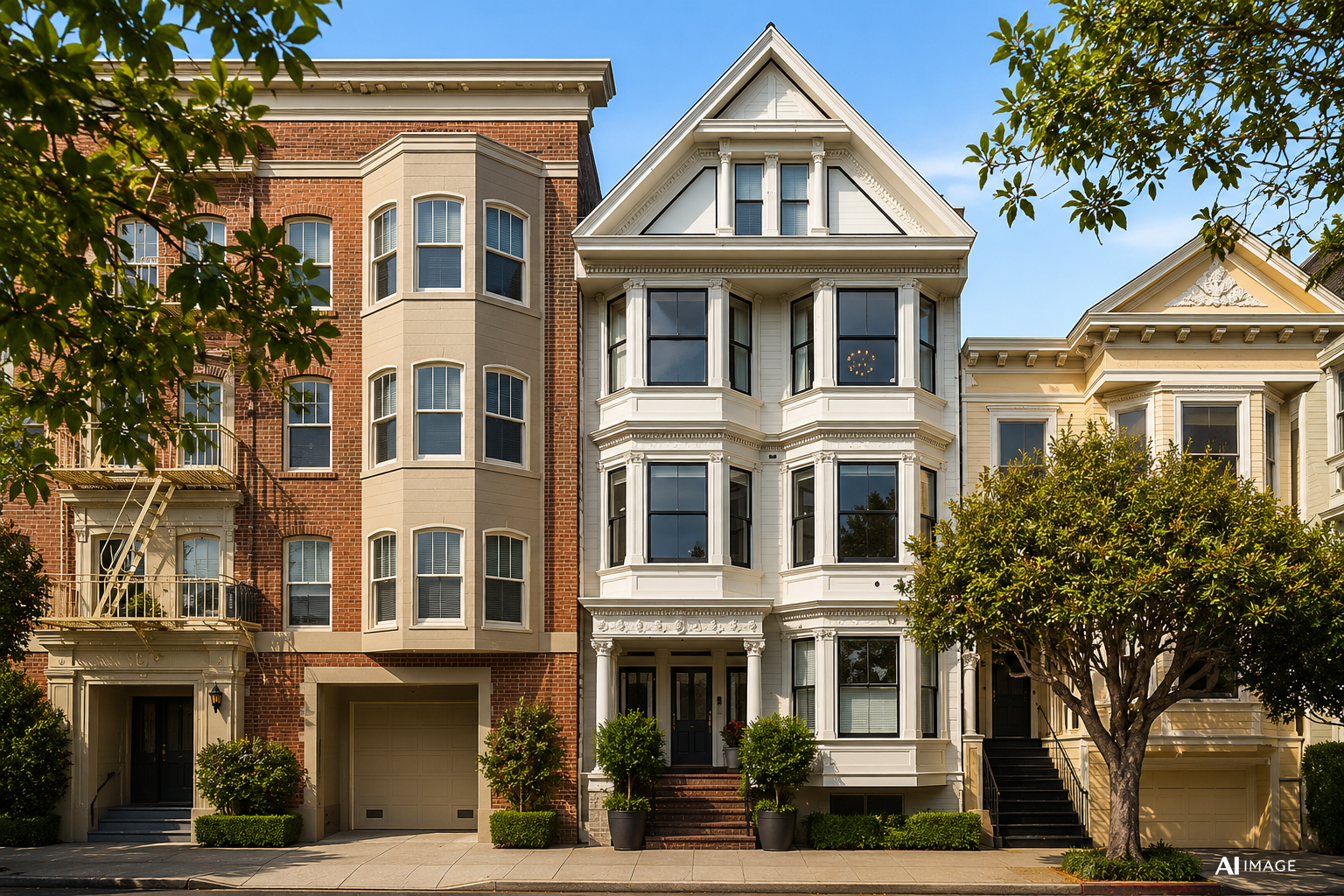
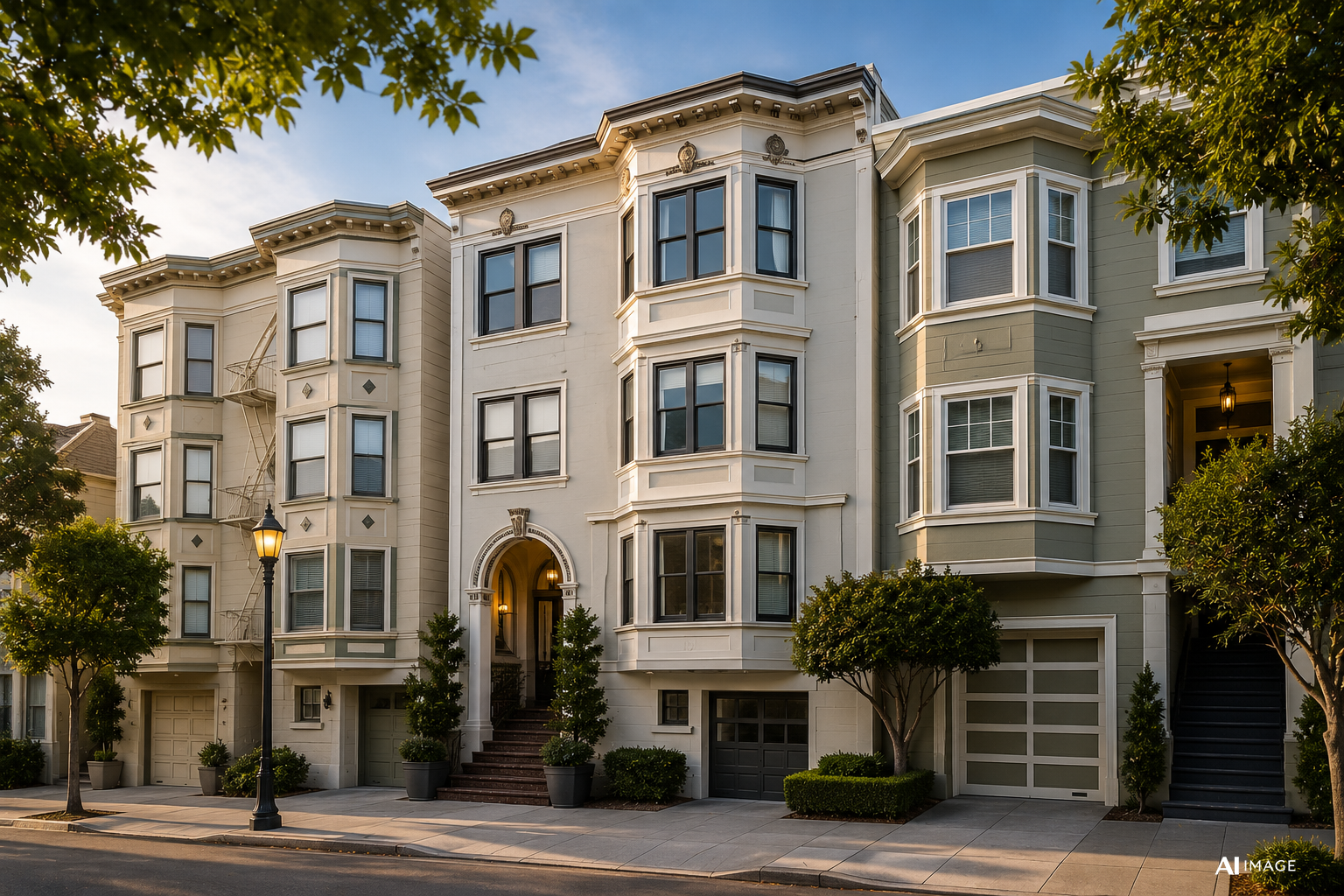
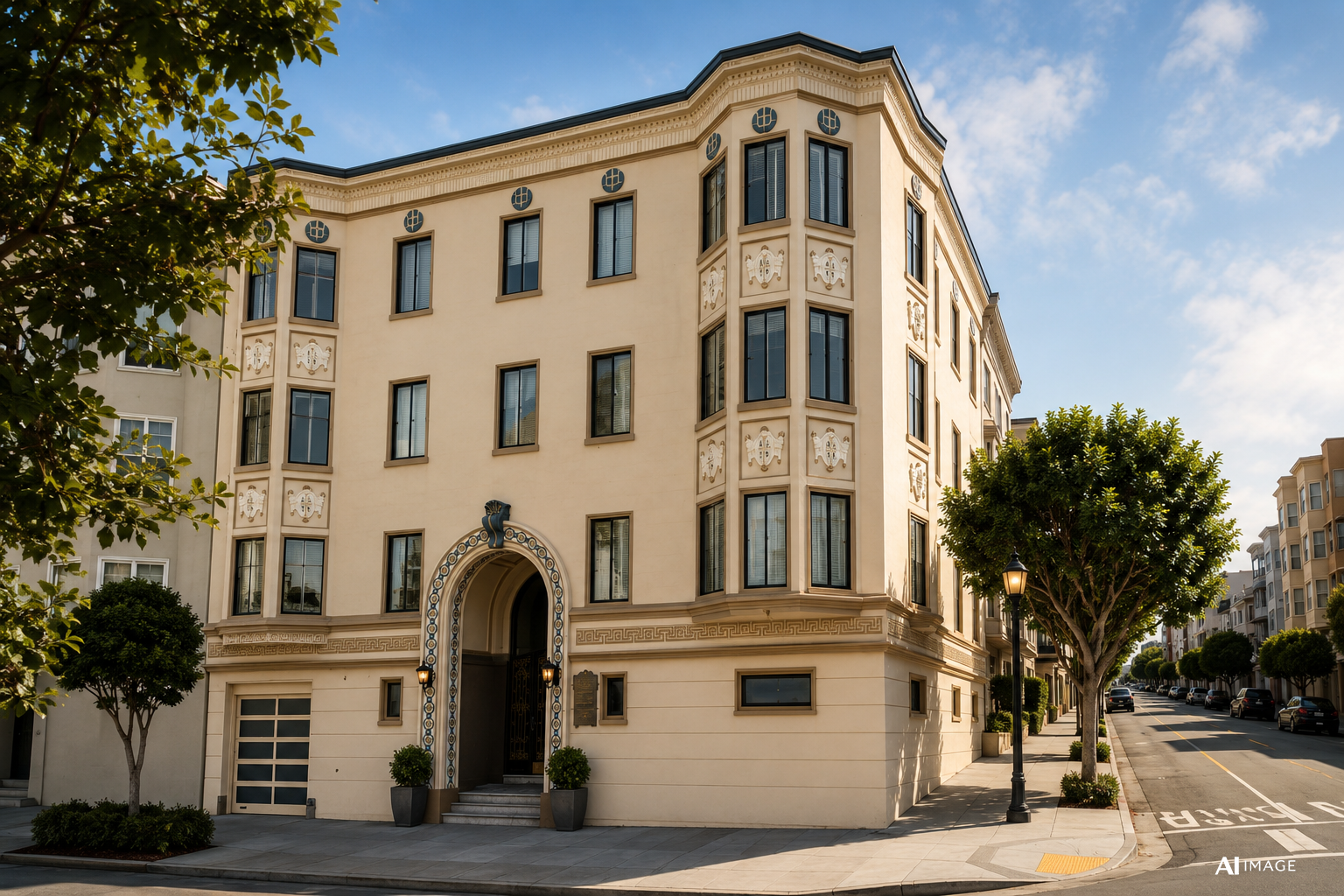
The investment properties shown below are typical of those owned by the clients we serve:
Coverage Considerations
Our Review May Include
A Helm6 review looks past the premium to the exposures that actually threaten your income and liability.
Explore some of the coverage and risk areas we commonly evaluate for rental properties.
Property Coverage
Property coverage is the foundation of an apartment building insurance program. The first question is whether the amount of insurance is sufficient to reconstruct the building after a major loss—not what the property could be sold for. Construction costs, architectural and engineering expenses, code requirements, debris removal and the special characteristics of older buildings can make replacement cost substantially different from market value.
Policies may describe the principal building as Coverage A or Building Coverage, while detached garages, fences, retaining walls and other structures may fall under Coverage B or Other Structures, depending upon the policy form. Owners should also review Business Personal Property—items owned by the landlord such as maintenance equipment, appliances, furnishings and other property used to operate the building. Helm6 reviews not simply whether these coverages appear on the policy, but whether the limits, valuation provisions, deductibles and important sublimits are appropriate for the actual property.
Replacement Cost
Replacement cost is the estimated amount required to rebuild or repair a property using materials and construction methods of like kind and quality, without deduction for depreciation.
For California properties, replacement cost can be very different from market value. Market value reflects what a buyer may pay for the property. Replacement cost reflects what it may actually cost to rebuild the structure after a loss.
This distinction is especially important for luxury homes, older San Francisco apartment buildings, coastal properties, hillside homes, and buildings subject to modern building code requirements.
Helm6 places strong emphasis on replacement cost adequacy because underinsured properties may face serious financial consequences after a major loss.
Underinsurance - Below Reconstruction Cost
Many California small apartment buildings, duplex rentals and older distinguished homes are insured below true reconstruction cost because policy limits often fail to keep pace with the actual cost of rebuilding.
This can happen for several reasons. Older policy limits may have been based on outdated valuation assumptions, automated inflation increases may not reflect current construction realities, and standard valuation tools may underestimate the cost of rebuilding ollder apartment buildings, custom, coastal, hillside, historic, or high-value homes.
Reconstruction cost is not the same as market value. It reflects what it may actually cost to rebuild the structure after a loss, including labor, materials, debris removal, permitting, building-code upgrades, design professionals, engineering, and local construction conditions.
In California, wildfire losses, labor shortages, material inflation, and stricter building requirements have made replacement cost adequacy especially important. Helm6 places strong emphasis on valuation review because underinsurance can create serious financial consequences after a major loss.
Extended Replacement Coverage
Extended Replacement Cost coverage may provide additional coverage above the stated dwelling or building limit when actual reconstruction costs exceed the policy limit after a covered loss.
For example, a policy may provide 25%, 50%, or another percentage of additional replacement cost protection, depending on the carrier and policy form.
This coverage can be extremely important in California, where rebuilding costs may rise quickly after wildfires, earthquakes, or other catastrophe events. Labor shortages, contractor scarcity, material inflation, permitting delays, and code upgrades can all push reconstruction costs beyond the original estimate.
Extended Replacement Cost coverage is not unlimited, and it remains subject to policy terms, conditions, limits, exclusions, and eligibility requirements. Helm6 reviews this coverage carefully because it may materially affect a property owner.
Ordinance Law
Ordinance and law coverage helps address the additional cost of rebuilding a damaged structure in compliance with current building codes and regulations.
This can be extremely important for older California properties. A building originally constructed decades ago may need major upgrades during reconstruction involving electrical systems, plumbing, fire sprinklers, energy-efficiency requirements, accessibility standards, seismic improvements, or environmental compliance.
Without adequate ordinance and law coverage, these additional costs may fall upon the property owner. Helm6 carefully reviews ordinance and law considerations for older homes, apartment buildings, condominium associations, and coastal properties where rebuilding requirements can be especially significant.
Loss-of-Rental Income / Loss-of-Rent Income
For an apartment owner, repairing the building after a major loss is only part of the financial risk. If damaged units cannot be occupied, the owner may lose rental income for many months while continuing to incur mortgage payments, property taxes, insurance, maintenance and other expenses. Business Income or Loss of Rents coverage is designed to replace covered rental income lost while the property is being repaired or reconstructed following a covered loss.
The amount of insurance and, equally important, the period of restoration deserve careful attention. In California, particularly in venues that are notorious for regulatory difficulty, such as San Francisco, Pacific Palisades and Malibu, reconstruction after a major fire or catastrophe can take considerably longer than expected because of multi-government entity permitting, architectural and engineering requirements, contractor availability, code upgrades and construction delays. Coverage that appears adequate based simply upon annual rental income may prove insufficient if restoration takes 18 or 24 months.
Helm6 reviews the property’s actual rental income, the period for which coverage is available, applicable limits and waiting periods, and whether Extended Business Income protection continues for an appropriate period after the building is restored. The objective is to protect not only the physical asset, but also the income stream that makes the property an investment.
Water Damage Protection
Water is one of the most important sources of loss in multifamily property. A failed supply line, overflowing fixtures such as a failing hot water heater, broken pipe or leak from an upper-floor apartment can damage several units before the problem is discovered. Older plumbing systems can increase both frequency and severity.
Helm6 reviews the policy’s treatment of sudden and accidental water damage, water-backup coverage, deductibles, sublimits and exclusions involving repeated leakage or deferred maintenance. We also consider loss-prevention measures such as plumbing modernization, leak-detection systems, automatic water shutoffs and documented maintenance. Insurance and prevention should work together.
General Liability
Commercial General Liability insurance protects the property owner against covered claims alleging bodily injury, property damage and certain personal or advertising injuries arising from ownership and operation of the premises. Typical apartment exposures include falls on stairs or walkways, injuries in common areas, allegations involving building maintenance, and damage to property belonging to others.
The limit is only part of the analysis. Exclusions can materially change the protection an owner actually has. Helm6 pays particular attention to provisions involving habitability, assault and battery, construction activities, swimming pools, animals, lead, mold and other property-specific exposures. A $1 million liability policy containing a significant exclusion is not necessarily equivalent to another $1 million policy without it.
Umbrella Liability & Excess Liability
A serious apartment liability claim can exceed the limits of the primary General Liability policy. Umbrella and Excess Liability insurance provides additional limits above scheduled underlying policies and can be particularly important for owners of larger buildings or portfolios with substantial assets to protect.
The distinction between an umbrella and a pure excess policy also deserves attention. Some umbrella forms may provide broader protection in certain circumstances, while an excess policy generally follows the underlying coverage more closely. Helm6 reviews the limits, underlying-policy requirements, exclusions and whether coverage follows consistently across the owner’s properties. For a significant property and substantial real estate portfolios, limits of several million dollars may warrant consideration based upon the owner’s exposures and risk tolerance.
Flood & Excess Flood Coverage
Standard commercial property insurance generally does not provide protection for flooding as that term is defined in the policy. Apartment owners should therefore understand the property’s flood exposure even when the building is not located in an obvious high-risk flood zone.
Primary flood insurance may be available through the National Flood Insurance Program or private markets, while Excess Flood can provide limits above the primary policy when the building’s value exceeds available underlying limits. Helm6 reviews the building value, flood zone and lender requirements, as well as limits for the structure, contents and potentially lost rental income. The objective is to determine whether a meaningful uninsured catastrophe exposure exists—not simply whether a lender requires flood insurance.
Earthquake Coverage
Coinsurance Penalties
Coinsurance is a policy provision that may penalize a policyholder if the property is insured for less than a required percentage of its value.
For example, if a policy requires insurance to 80% or 90% of replacement cost, and the insured limit falls below that threshold, the insurer may reduce the amount paid on a partial loss.
This can surprise property owners because the penalty may apply even when the loss is not a total loss.
Coinsurance issues are especially important for apartment buildings, commercial property, and habitational risks. Helm6 helps clients evaluate whether policy limits appear adequate relative to valuation estimates and whether coinsurance provisions may create hidden exposure.
Fire Risk
Besides water damage, fire remains one of the most severe exposures facing an apartment owner because a single event can affect numerous units, displace tenants and interrupt rental income for an extended period. Underwriters therefore examine more than simply whether a building is located in a wildfire area. They consider construction, electrical systems, heating, fire alarms and sprinklers where applicable, roof and building condition, neighboring exposures, fire-department access and the potential for fire to spread within or between structures.
For urban apartment properties, structure-fire risk and wildfire risk should be evaluated separately. A San Francisco building may have minimal wildfire exposure while still presenting meaningful electrical, cooking, seismic-related fire or neighboring-building exposure. Helm6’s objective is to identify those characteristics before submission and document improvements that demonstrate responsible ownership.
Service Line Protection
Apartment owners are sometimes surprised to discover that damage to underground utility lines serving their property may not be fully covered by conventional building insurance. Service Line coverage can provide protection for covered damage to underground water, sewer, electrical, communications and other service lines for which the property owner is responsible.
This can be particularly valuable for older apartment properties where underground piping and utility infrastructure may be expensive to excavate and repair. Coverage should be reviewed for the types of lines insured, causes of loss covered, limits, deductibles and whether excavation, outdoor property and related expenses are included. For an older Bay Area apartment building, it can be a relatively small component of the overall insurance program with potentially meaningful value. Helm6 can refer clients and others to several service line vendors upon request.
Crime Coverage
Crime insurance addresses financial losses that ordinary property and liability policies may not cover. Depending upon the form selected, protection can include employee dishonesty, forgery or alteration, theft of money and securities, computer fraud and funds-transfer fraud.
For owners employing property managers, bookkeepers, maintenance personnel or others with access to accounts or rent receipts, the exposure deserves consideration. Helm6 reviews who handles money, how payments are received and transferred, and whether third-party property managers create additional exposures that should be addressed by the owner’s insurance or verified under the manager’s own coverage.
Cyber Liability
Apartment ownership has become increasingly digital. Owners and property managers may maintain tenant names, banking information, leases, payment records and other sensitive information while relying upon online rent-payment systems, email and property-management platforms.
Cyber insurance can provide protection for exposures such as data breaches, ransomware, fraudulent electronic activity, privacy claims, notification expenses, forensic investigation and business interruption, depending upon the policy. Even a relatively small apartment operation can become a target because criminals often exploit payment instructions and vendor communications rather than sophisticated computer systems. Cyber protection becomes increasingly important as a portfolio grows and management becomes more centralized.
Portfolio Master Policies
Owners who have accumulated 5, 10 or more apartment buildings over many years frequently end up with a collection of individually placed policies having different renewal dates, limits, deductibles, coverage forms and insurers. That arrangement may have been perfectly reasonable as each property was acquired, but eventually the portfolio itself deserves to be reviewed as a single insurance exposure.
Where underwriting conditions and market appetite permit, consolidating multiple properties into a portfolio or master property program can create important advantages: coordinated renewal dates, more consistent coverage terms, streamlined administration, stronger presentation of the owner’s overall loss experience and maintenance practices, and potentially more efficient pricing.
Combining properties does not automatically produce savings, and catastrophe aggregation, shared limits, deductibles and individual property characteristics must be evaluated carefully. But for a well-maintained portfolio, the ability to present substantial premium and diversified properties to an insurer can create negotiating leverage that individual placements may not provide.
Helm6 can compare the existing property-by-property structure against a coordinated portfolio approach to determine whether consolidation improves coverage, cost, administration—or all three.
Property Characteristics:
- Building and ground conditions
- Number of units
- Roof condition and updates
- Soft-Story characteristics
- Fire and water-Loss prevention
- Catastrophe exposure
- Electrical
- Plumbing
- HVAC
- Flood exposure
- Amenities-pool, tennis court, other
Ownership & Loss Characteristics
- Occupancy
- Rental operations
- Property management
- Loss history
- Habitability concerns
- Building inspections
- Reconstruction cost
- Rental income
- Deferred maintenance
Property Characteristics:
Ownership & Loss Characteristics
- Building and ground conditions
- Number of units
- Roof condition and updates
- Soft-Story characteristics
- Fire and water-Loss prevention
- Catastrophe exposure
- Electrical
- Plumbing
- HVAC
- Flood exposure
- Amenities-pool, tennis court, other
- Occupancy
- Rental operations
- Property management
- Loss history
- Habitability concerns
- Building inspections
- Reconstruction cost
- Rental income
- Deferred maintenance
"An older apartment building is not necessarily a poor insurance risk. It may be an excellent risk. From years of property underwriting and producer experience I know that a well-maintained property with documented improvements, attentive ownership, and sound building systems may present a more favorable underwriting profile to insurance markets than its age alone would suggest." ..... Douglas Helm, President , Helm6 Insurance Services LLC
Insights Library · Latest Concern
The Landlord's Latest Liability
Concern — The Sudden Appearance
of the Habitation Exclusion Endorsement
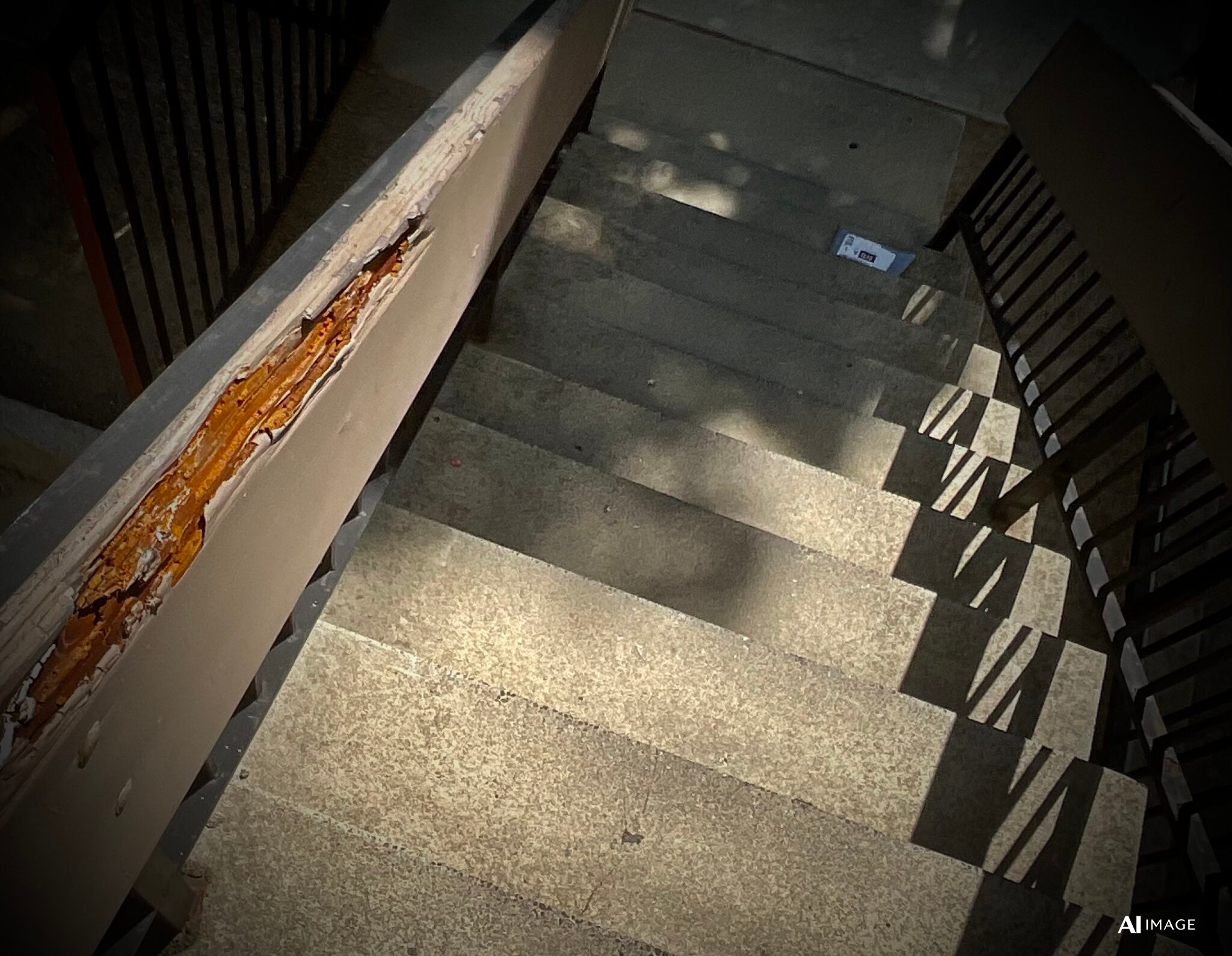
A deteriorated railing or an object left on a common stairway may appear to be ordinary maintenance concerns. Following an injury, however, these conditions could become allegations of unsafe or uninhabitable premises. If the liability policy contains a broadly worded Habitation Exclusion, both coverage and defense may become significant concerns.
If there has been an allegation of such unsafe condition by a tenant, these are perfect examples of potential liability claims that might not be accepted for defense by an insurer with the protection of the Habitation Exclusion Endorsement.
One increasingly important issue that many California landlords may not recognize is the appearance of a Habitation Exclusion endorsement in certain apartment liability policies.
A Habitability Exclusion in an apartment building’s commercial general liability policy can create a substantial and sometimes poorly understood gap in protection. Depending on the wording of the endorsement, the insurer may exclude coverage for both defense and for claims if there has been merely an allegation that a dwelling or premises condition was unsafe, unhealthy, or otherwise failed to satisfy applicable habitability standards.
Such alleged unsafe conditions often involve stairs and railings, mold, water intrusion, inadequate heat, plumbing or electrical problems, pest infestation, building-code violations, and walkways that are allegedly unsafe. When such conditions come to the attention of an insurer that has imposed a Habitation Exclusion endorsement, a potentially serious coverage problem can exist for landlords.
Of particular concern, some endorsements are written broadly enough to apply not only to damages awarded to a tenant, but also to the landlord’s legal defense costs, which can be substantial even when the allegations ultimately prove unfounded.
For example, for owners of older Santa Monica, San Francisco, Monterey and Pacific Grove apartment buildings are particularly vulnerable because of age and Coastal exposure and, for them, the Habitation Exclusion Endorsement issue deserves particular attention because a routine premises-liability allegation can sometimes be accompanied by allegations involving building conditions, mold, code violations, or failure to maintain the property.
A landlord should therefore not assume that a policy carrying $2 million or $10+ million of general liability protection necessarily provides that amount of protection for every tenant-related claim. The actual language of the Habitability Exclusion must be reviewed.
When commercially available, Helm6 considers general liability coverage without a Habitability Exclusion the clear practice choice. But in the event that such choice is not available, then coverage without a broad Habitability Exclusion is preferable because it preserves a materially broader layer of protection for one of the exposures inherent in residential property ownership.
Our objective is to help property owners better understand their insurance program and make informed purchasing decisions.
Trusted by California
property owners
Request a Consultation
Let's review your
policy before your next renewal.
Tell us about your property and current coverage. A Helm6
advisor will review your exposures and follow up — no
obligation.
- Review of your existing policy language, coverages and limits
- Focus on asset protection, habitability, income, liability & long-term insurability
- Built for California landlords & investors
Submitting an inquiry or requesting information through this website does not bind, amend, renew, or cancel insurance coverage. Coverage is effective only when properly authorized and bound, with confirmation from the insurer or an authorized insurance representative.